Upgrading Your Alarm System for Seamless Smart Home Connectivity
Table Of Contents
Installing Your New Smart Alarm System
Transitioning to a new smart alarm system can significantly enhance your home security. Begin by assessing your home’s layout and identifying key entry points that require monitoring. This initial evaluation helps you choose the right components, whether it be door sensors, motion detectors, or surveillance cameras. Ensure that all devices you select are compatible with each other for optimal performance.
After gathering the necessary equipment, you can choose between professional installation or a do-it-yourself approach. For those familiar with technology, self-installation can be a rewarding option. It allows full control over positioning and setup. On the other hand, enlisting a professional may provide peace of mind through expert consultation, ensuring that your system is installed correctly and efficiently.
Professional Installation vs. DIY
When deciding on the installation of a smart alarm system, the choice between professional installation and a DIY approach often arises. Professional installers usually bring expertise and experience, ensuring that your system is set up correctly and efficiently. They can also offer security assessments based on your specific property needs, providing tailored solutions that DIY options may overlook. Additionally, many companies offer warranties or guarantees on their installations, adding an extra layer of assurance for homeowners.
Conversely, a DIY installation can be appealing for those who appreciate hands-on projects and want to save on costs. Many smart alarm systems are designed with user-friendly setups that enable almost anyone to install them without the need for professional help. Online tutorials and manufacturer guides can further simplify the process. However, this route may sometimes lead to misconfigurations or inadequate placement of devices, potentially affecting the overall effectiveness of the alarm system.
Enhancing Security with Smart Features
Smart features revolutionise traditional alarm systems, offering enhanced security options tailored to modern living. Integrating video surveillance provides homeowners with real-time monitoring capabilities. High-definition cameras equipped with motion detection allow users to keep an eye on their property from anywhere. The ability to access live feeds enables quick decision-making in situations that require immediate attention, thus reducing response times.
Utilising various sensors adds another layer of protection to residential spaces. Door and window sensors alert homeowners to potential breaches, while motion sensors within the property can detect unusual activity. These devices can be connected to a central control panel, facilitating seamless communication between all components. As a result, any sign of intrusion triggers notifications sent directly to users' smartphones, ensuring they remain informed.
Utilizing Video Surveillance and Sensors
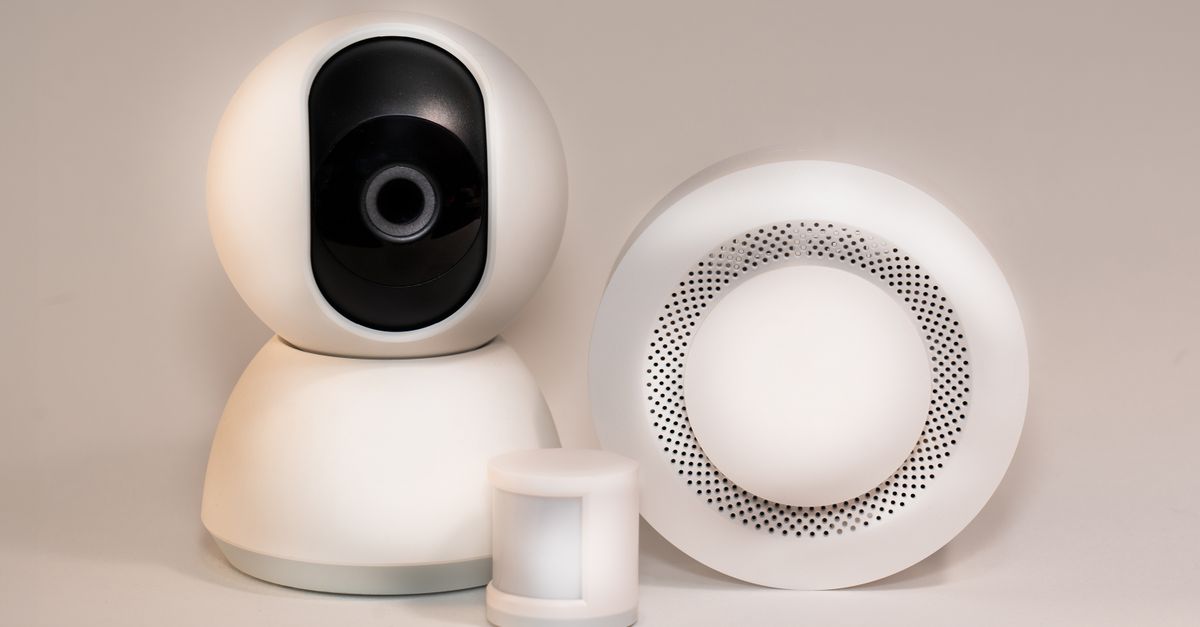
Incorporating video surveillance into your alarm system provides an effective layer of security for your home. Modern cameras now offer high-definition video quality, allowing for clear images and detailed footage. Many options include night vision capabilities and motion detection, ensuring that any unusual activity is captured regardless of the time of day. This real-time monitoring not only helps deter intruders but also offers peace of mind when you are away.
Sensors play a crucial role in any comprehensive security system by detecting environmental changes that could indicate a security breach. Door and window sensors alert homeowners when these entry points are opened, while motion sensors provide additional coverage for indoor areas and perimeters. Many systems can be configured to send notifications directly to your phone when an alert is triggered, enabling immediate response. By utilising these tools, homeowners enhance their security measures and create a safer living environment.
Monitoring Your Alarm System Remotely
Modern advancements in technology allow homeowners to monitor their alarm systems from virtually anywhere. With dedicated mobile applications, users can check the status of their security systems in real-time, ensuring peace of mind when they are away. These apps often feature intuitive dashboards, displaying alerts related to unusual activity or system malfunctions. Notifications can be customised according to personal preferences, helping homeowners stay informed about their property’s security.
Remote monitoring enhances overall safety, particularly in emergencies. Many systems support video feeds from surveillance cameras, allowing users to view live footage directly through their smartphones. This capability enables quick and informed decision-making in critical situations. Moreover, integration with smart home devices offers added convenience, where users can remotely control locks, lights, and thermostats, further enhancing the protection of their homes from a distance.
Mobile Apps and Notification Systems
Advancements in technology have made it possible for homeowners to monitor their alarm systems from virtually anywhere. Mobile apps designed for smart alarm systems provide real-time updates and alerts directly to your smartphone. Users can easily check the status of their system, receive notifications for any unusual activity, and even control the alarm remotely. This level of accessibility ensures peace of mind for those who want to keep an eye on their property while they are away.
Notification systems further enhance user experience by allowing customised alerts based on individual preferences. Homeowners can choose to receive messages through push notifications, SMS, or email, ensuring they stay informed no matter their location. Integration with other smart home devices adds another layer of convenience. For instance, alerts can prompt smart lights to turn on or send notifications to other trusted individuals in case of emergencies. This connectivity not only promotes proactive security measures but also fosters a more comprehensive smart home ecosystem.
FAQS
What are the benefits of upgrading to a smart alarm system?
Upgrading to a smart alarm system enhances security through advanced features such as remote monitoring, real-time notifications, and integration with other smart home devices, providing a more comprehensive security solution.
Should I choose professional installation or attempt a DIY setup for my new alarm system?
The choice between professional installation and DIY depends on your comfort level with technology and installation processes. Professional installation ensures proper setup and functionality, while DIY can save costs if you're confident in your abilities.
How can video surveillance improve my home security?
Video surveillance allows you to monitor your property in real time, providing visual evidence in the event of an incident. Many systems offer features like motion detection, night vision, and cloud storage for recorded footage, enhancing overall security.
What smart features should I look for in an alarm system?
Key smart features to consider include mobile app integration, real-time alerts, compatibility with other smart home devices, and advanced sensors like motion detectors and glass break sensors to ensure comprehensive security coverage.
How do I monitor my alarm system remotely?
You can monitor your alarm system remotely through mobile apps provided by the alarm system manufacturer. These apps typically allow you to receive notifications, view live camera feeds, and manage system settings from anywhere with an internet connection.
Related Links
The Future of Home Security: AI and Smart Alarm SystemsHow to Choose Compatible Smart Home Devices for Your Alarm System
Exploring the Latest Trends in Smart Home Alarm Integrations
Customising Your Alarm Alerts with Smart Home Technology
Troubleshooting Common Issues in Alarm-Smart Home Integration
Safety First: Ensuring Security with Smart Home Integration
The Benefits of Integrating Alarm Systems with IoT Devices
A Step-by-Step Guide to Connecting Your Alarm System to Smart Home Platforms
Enhancing Your Alarm System with Smart Home Integration