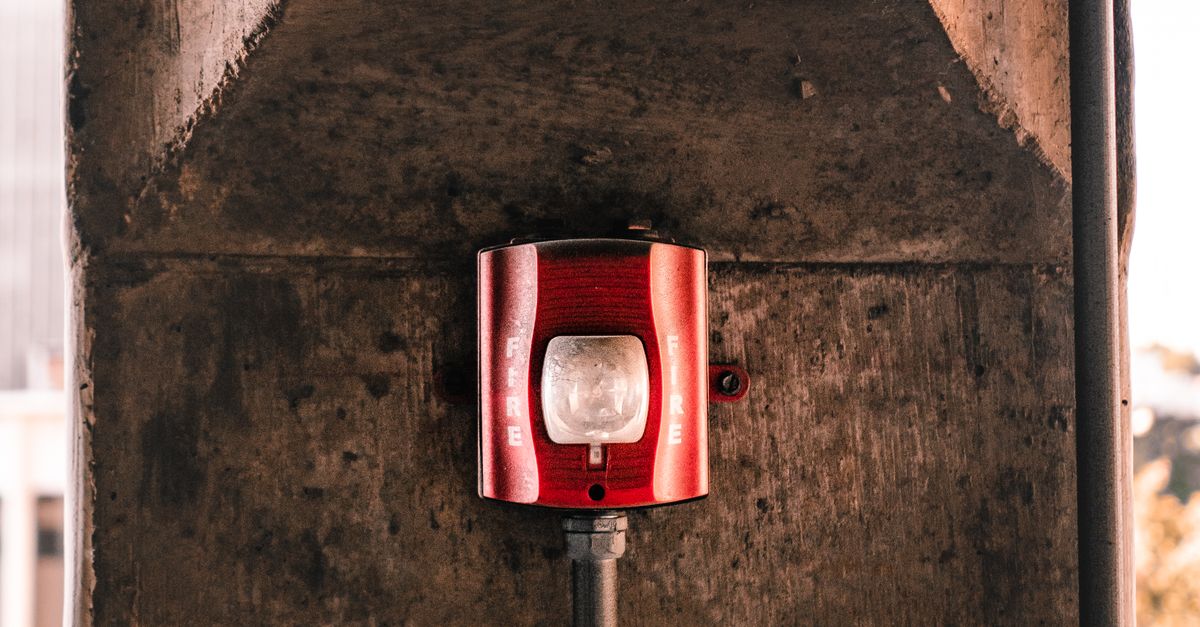
Understanding the Importance of Fire Alarm Systems in Perth Homes
Table Of Contents
Maintenance and Testing of Fire Alarms
Fire alarms require regular maintenance and testing to ensure they function effectively when needed. Smoke detectors should be tested monthly by pressing the test button. This simple action determines whether the alarm is operational. Battery replacement is essential, especially in systems that rely on battery power. It's advisable to change batteries at least once a year or whenever the alarm emits a chirping sound, indicating low battery levels.
Professional inspections can enhance reliability. Technicians should examine the entire system, including wiring and connections, to identify issues that may not be evident during basic testing. The Australian Standard AS 1851 outlines specific regulations for fire alarm system maintenance, emphasising periodic servicing. Adhering to these guidelines ensures that your fire alarm system remains compliant and ready to alert you in case of an emergency.
Best Practices for Ensuring Functionality
Regular maintenance is crucial to ensure fire alarm systems work efficiently. Homeowners should perform monthly tests by pressing the test button on each alarm. This simple action confirms that the alarm is responding correctly. Cleaning the units every six months helps prevent dust buildup that can interfere with their operation. Additionally, it is vital to replace batteries at least once a year or whenever the low-battery warning chirps, ensuring that alarms remain functional at all times.
Professionals recommend scheduling annual inspections with a certified technician. These inspections can identify issues that might not be apparent during casual checks. It’s also beneficial to educate all household members about the alarms and their locations. Practising evacuation plans helps everyone understand how to respond in case of an alarm activation. Keeping a record of maintenance activities can assist in tracking the system's performance and reliability.
Choosing the Right Fire Alarm for Your Home
Selecting a fire alarm suitable for your home involves understanding various types of systems available on the market. Ionisation alarms are highly effective at detecting flaming fires, while photoelectric alarms are better for smouldering fires. Dual-sensor alarms combine these technologies for comprehensive coverage. Consider the layout of your home, as well as the specific risks associated with your environment, before making a decision.
The user-friendliness of the fire alarm also plays a significant role. Wireless systems offer straightforward installation and flexibility, which is particularly advantageous in larger or multi-storey homes. Evaluate additional features, such as interconnected alarms that provide alerts throughout the house. Prioritising compatibility with existing smart home systems may enhance convenience, contributing to a safer living environment.
Factors to Consider When Selecting a System
When selecting a fire alarm system, the size and layout of your home play pivotal roles in determining the right choice. Larger homes may require interconnected systems to ensure coverage throughout every room. Consider how the placement of alarms can affect response times in case of an emergency. Additionally, the type of building materials used in your home can influence how sound travels, impacting the effectiveness of alarms.
Another crucial factor is the specific needs of your household. Families with young children or elderly members may benefit from systems that include visual alerts or vibrating alarms to cater to different sensory requirements. Exploring compatibility with smart home technology can also enhance safety. Understanding these factors ensures that the chosen system not only meets regulatory requirements but also provides peace of mind.
The Role of Fire Alarms in Insurance Premiums
Homeowners often overlook the impact that fire alarm systems can have on their insurance premiums. Insurance providers typically view properties equipped with reliable fire detection systems as lower risk. This perception can lead to reduced premiums, making it financially beneficial for homeowners to invest in adequate fire safety measures.
Insurance companies may also require specific fire alarm features to qualify for discounts. Compliance with local fire safety regulations can further influence coverage terms. Understanding these nuances allows homeowners to make informed choices that not only enhance safety but also contribute to potential savings on insurance costs.
How Fire Safety Can Impact Your Coverage
Insurers often assess fire safety measures when determining home insurance premiums. Homes equipped with reliable fire alarm systems can lead to lower insurance costs. This is because insurance companies view these precautions as reducing the risk of significant damage due to fire. Basic safety measures can reflect positively on a homeowner's commitment to risk management.
In addition to alarms, factors such as fire-resistant materials and emergency plans contribute to the overall safety profile of a property. Insurers may offer incentives for homeowners who implement comprehensive fire safety strategies. This can further alleviate financial burdens, providing both peace of mind and cost savings in the long run. Addressing fire safety is a proactive approach that can benefit homeowners in numerous ways.
FAQS
How often should I test my fire alarm system?
It is recommended to test your fire alarm system at least once a month to ensure it is functioning correctly. Additionally, you should replace the batteries annually and schedule a professional inspection at least once a year.
What are the best practices for maintaining fire alarms?
Best practices for maintaining fire alarms include regularly testing the alarms, replacing batteries, cleaning the units to remove dust and debris, and ensuring that all alarms are properly installed in accordance with manufacturer guidelines.
What factors should I consider when choosing a fire alarm system for my home?
When selecting a fire alarm system, consider factors such as the size and layout of your home, the types of detectors (ionisation or photoelectric), the presence of pets or children, and any local building regulations or standards.
How do fire alarms affect my home insurance premiums?
Installing a fire alarm system can positively impact your home insurance premiums. Many insurance providers offer discounts for homes equipped with functioning fire alarms, as they reduce the risk of fire-related damage.
What is the difference between ionisation and photoelectric smoke detectors?
Ionisation smoke detectors are more responsive to fast-flaming fires, while photoelectric detectors are better at sensing smouldering fires. A combination of both types may provide the best overall protection for your home.
Related Links
Top Features to Look for in Fire Alarm Systems in AustraliaHow to Properly Maintain Your Fire Alarm System in Perth
The Evolution of Fire Alarm Technologies Available in Perth
Cost Considerations for Installing Fire Alarm Systems in Perth
Fire Alarm System Regulations and Compliance in Western Australia
Common Myths About Fire Alarm Systems Debunked
How Fire Alarm Systems Enhance Workplace Safety Standards in Perth
The Benefits of Integrated Fire Alarm Systems for Commercial Properties
Choosing the Right Fire Alarm System for Your Perth Business