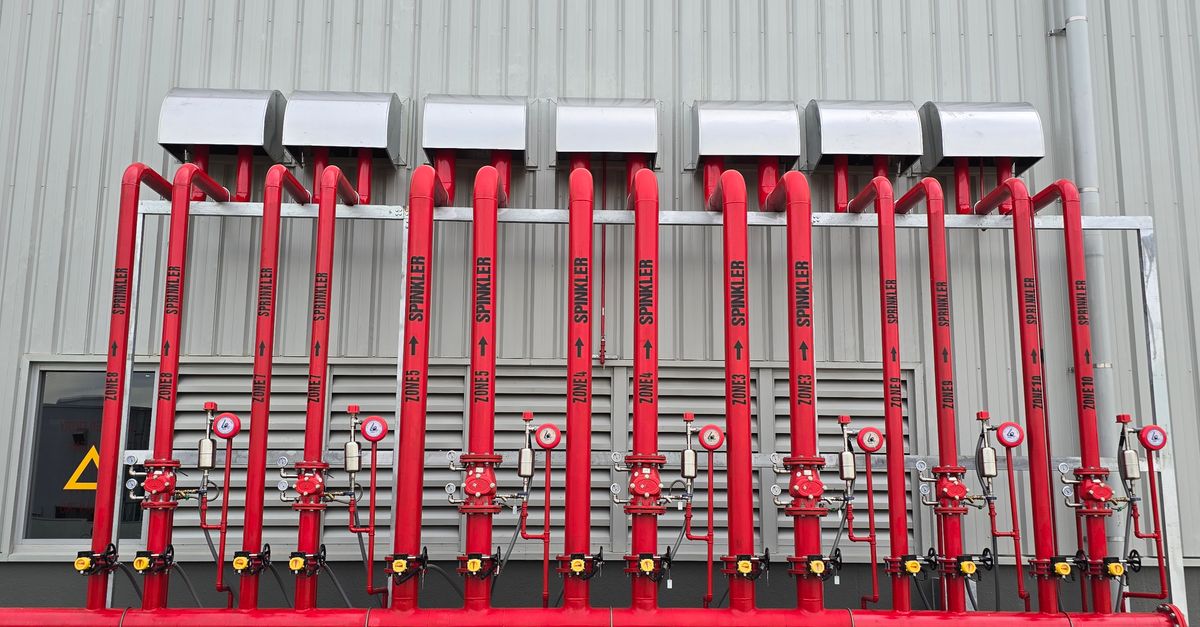
Understanding the Benefits of Thorough System Inspections
Table Of Contents
Compliance with Regulations
Regulatory compliance remains a critical aspect of system management for businesses across various industries. Adhering to relevant laws and guidelines ensures that operations are legally sound and can help avoid potential penalties. Regular inspections allow for early identification of any compliance issues before they escalate into larger problems, safeguarding the company’s reputation and reducing legal risks.
Many industries have specific standards that must be met to maintain safety and efficiency. Conducting thorough inspections assists in fulfilling these requirements, ensuring that systems are operating within permissible limits. This proactive approach not only assists in avoiding fines and legal complications but also enhances the overall integrity of the business operations.
Meeting Industry Standards
Ensuring that systems meet industry standards is crucial for maintaining quality and safety across various sectors. Adhering to these standards guarantees that operations not only comply with legal and regulatory requirements but also optimise performance. This commitment helps organisations to foster trust with stakeholders by showcasing a dedication to best practices. Regular inspections are essential in identifying any areas where improvements are necessary to align with these established benchmarks.
In addition to compliance, meeting industry standards can enhance an organisation's reputation. Clients, partners, and regulators often look for evidence of thorough system inspections as an indicator of reliability and commitment to excellence. By demonstrating adherence to these standards, businesses can differentiate themselves in competitive markets. This not only supports customer retention but also encourages new business opportunities driven by positive perceptions of quality and accountability.
Boosting Energy Efficiency
Regular system inspections play a vital role in enhancing energy efficiency. Identifying inefficiencies within a system can lead to substantial improvements in performance. Inspections often highlight areas where energy is wasted, such as leaks in ductwork, outdated equipment, or poorly calibrated controls. Addressing these issues not only conserves energy but also reduces operational costs, creating long-term financial benefits for businesses and homeowners alike.
Optimising energy usage contributes to a smaller carbon footprint. Implementing energy-efficient solutions identified during inspections promotes sustainable practices. Such measures can include upgrading to energy-efficient appliances, improving insulation, or implementing smart technology for better monitoring and control. Consequently, these enhancements foster a commitment to environmental responsibility while simultaneously delivering significant energy savings.
Minimising Resource Waste
Thorough system inspections play a crucial role in enhancing operational efficiency. By identifying inefficiencies and areas of excess consumption, businesses can discover opportunities to optimise their resource usage. Unused or wasted energy not only leads to increased costs but also places unnecessary strain on the environment. Inspections reveal these issues, allowing for timely interventions that lead to significant reductions in waste.
Addressing inefficiencies fosters a culture of sustainability within an organisation. When teams understand the importance of resource utilisation, they become more inclined to adopt practices that support environmental stewardship. This ongoing commitment not only helps to minimise waste but can also enhance a company’s reputation. Stakeholders increasingly favour businesses that actively pursue sustainable practices, making inspections a vital aspect of long-term success.
Providing Peace of Mind
Regular inspections can significantly enhance the reliability of systems across various industries. Knowing that a thorough evaluation has been conducted instils confidence in operators and management alike. This assurance can reduce anxiety surrounding potential failures while allowing businesses to focus on their core activities without the looming fear of unexpected disruptions.
Additionally, comprehensive inspections often highlight areas where improvements can be made, leading to proactive maintenance. This forward-thinking approach not only safeguards against future issues but also enhances overall operational stability. When teams feel secure in the functionality of their systems, it fosters a positive work environment and encourages productivity.
Confidence in System Reliability
Regular inspections instil a sense of trust in the operational efficiency of systems. Identifying potential issues early allows for preventative measures, reducing the likelihood of unexpected breakdowns. This proactive approach not only safeguards the investment made in the system but also ensures that it functions at optimal performance levels.
When stakeholders are assured of system reliability, they can focus on core activities without the distraction of potential failures. The reassurance of dependable operations promotes a healthy working environment and aligns with broader organisational goals. By fostering confidence in systems, businesses can enhance their reputation and cultivate stronger relationships with clients and partners.
FAQS
What are thorough system inspections?
Thorough system inspections are comprehensive evaluations of systems, such as HVAC, plumbing, or electrical, to ensure they meet safety, performance, and efficiency standards.
How do thorough inspections help with compliance?
They ensure that systems adhere to local regulations and industry standards, reducing the risk of penalties and enhancing safety for users.
Can thorough system inspections improve energy efficiency?
Yes, by identifying inefficiencies and recommending improvements, inspections can significantly boost energy efficiency and reduce operational costs.
What are the benefits of minimising resource waste through inspections?
Minimising resource waste leads to cost savings, reduced environmental impact, and improved sustainability for businesses and homes.
How do inspections provide peace of mind regarding system reliability?
Regular inspections build confidence in the performance and longevity of systems, ensuring they operate safely and efficiently, which helps prevent unexpected breakdowns.
Related Links
Troubleshooting Your Alarm System During Regular Check-UpsFrequency of Regular Checks for Optimal Alarm Performance
Key Indicators That Your Alarm System Needs a Check-Up
Professional vs DIY: Who Should Conduct System Checks?
The Role of Regular Checks in Fire Alarm System Maintenance
Checklist for Conducting System Checks on Your Perth Alarm
Common Issues Detected During Regular Alarm System Checks
How to Schedule Routine Checks for Your Security Alarm