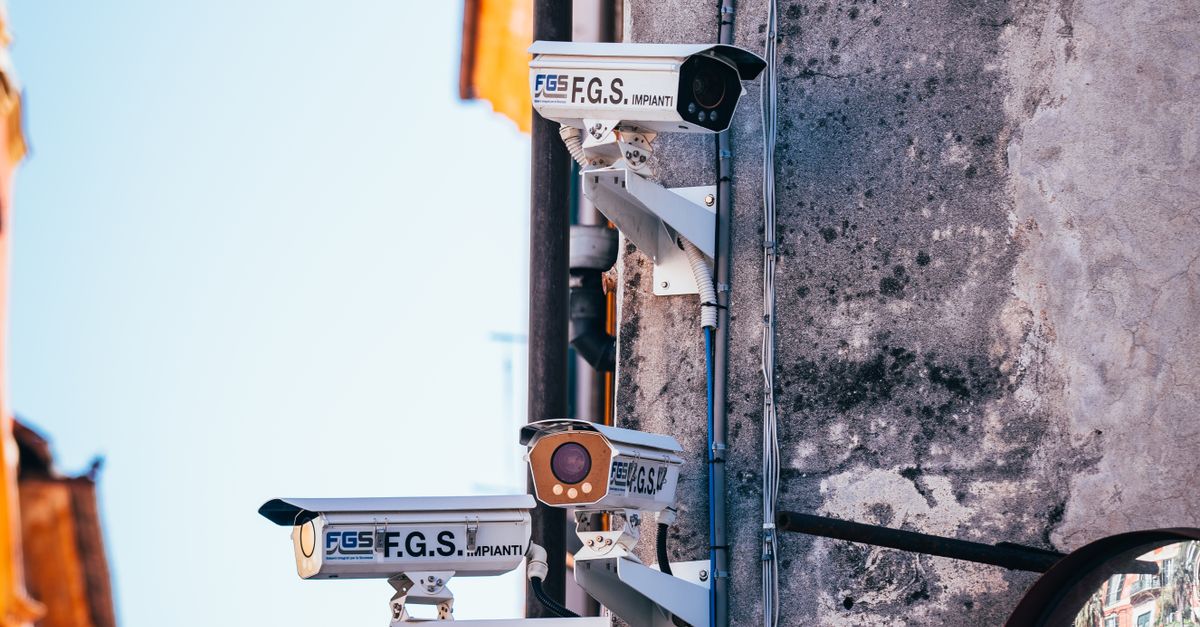
Assessing the Best Angles for Camera Installation in Residential Areas
Table Of Contents
Night Vision Considerations
When designing a security system, managing visibility at night is crucial. Infrared (IR) cameras are a popular choice for capturing clear images in low-light conditions. These cameras emit IR light, which is invisible to the naked eye, allowing them to work effectively during the night while remaining inconspicuous. Users should also consider ambient lighting in the area, as this can significantly impact image quality. If there are streetlights or other sources of light, they may enhance visibility and reduce the reliance on IR features.
Installing cameras at the right angles can optimise night vision performance. Aiming cameras to eliminate direct light sources from streetlights or nearby houses helps prevent glare and washout effects on footage. It is also beneficial to position them closer to potential entry points. However, viewers should ensure that camera angles do not compromise the field of vision. By balancing these factors, homeowners can enhance security during the night while ensuring their camera systems operate at peak efficiency.
Adjusting Angles for Low-Light Conditions
When installing cameras in low-light environments, the angle of the camera becomes crucial to optimise visibility. Positioning the camera to capture areas that benefit from any available light sources is essential. This might involve tilting the lens slightly downward towards surfaces in the vicinity that will reflect ambient light, such as walls or driveways. Considering the surrounding landscape can also help in utilising natural light effectively, enhancing the overall monitoring capability during dark hours.
Selecting the appropriate camera settings can further assist in improving low-light performance. Many modern cameras come equipped with features such as infrared night vision or low-light sensitivity, which allow them to perform well even when illumination is minimal. Adjusting the focus and ensuring that the camera is mounted securely can reduce blurriness during night-time recordings. Taking time to experiment with different angles and settings before final installation can lead to better outcomes in surveillance and security compatibility.
Legal and Privacy Implications
Installing cameras in residential areas raises important legal and privacy considerations. Homeowners must understand that while they have the right to monitor their property, this right is not absolute. Legislation varies across states and territories in Australia, with many jurisdictions enforcing strict guidelines regarding surveillance technology. Homeowners should be aware of these regulations to avoid infringing on the rights of neighbours and passers-by. Recording individuals without their consent can lead to serious legal repercussions, including fines and potential civil litigation.
Privacy concerns often intersect with the installation of security cameras. It is essential to ensure that the cameras do not capture footage of public spaces exceeding the intended scope of surveillance. Clear signage indicating that an area is under surveillance can help inform visitors and neighbours. Furthermore, establishing clear policies on data storage and sharing can mitigate potential privacy infringements while fostering a sense of trust within the community. Educating oneself about the balance between personal safety and respect for privacy can lead to responsible camera usage.
Understanding Local Regulations
Understanding the legal landscape surrounding camera installation in residential areas is essential for homeowners. Each local council has its own regulations concerning surveillance, often aimed at balancing safety and privacy rights. It is important to consult local laws that may dictate where cameras can be placed, how they can be used, and what limitations exist regarding the recording of public spaces versus private property.
Homeowners should also be aware of any necessary permits or approvals required before installing surveillance equipment. Failure to adhere to local regulations can lead to potential fines or the need to remove installed systems. Engaging with local authorities or seeking legal advice can provide clarity and ensure compliance with governing laws, thereby protecting individual rights and ensuring responsible use of surveillance technology.
Technology and Equipment Choices
The selection of appropriate technology is crucial for effective surveillance in residential areas. Cameras come in various types, including dome, bullet, and PTZ (pan-tilt-zoom), each designed for specific monitoring needs. High-definition cameras offer clearer images, while models with night vision capabilities enhance visibility in low-light conditions. Additionally, the use of wireless cameras can simplify installation and maintenance, eliminating the need for complex wiring. When considering weather resistance, look for cameras designed for outdoor use, ensuring they can withstand the Australian climate.
Another factor to consider pertains to the integration of smart technology. Many modern cameras support connectivity with smartphones and home automation systems, allowing for remote viewing and alerts. Storage options should also be evaluated, including cloud services and local DVR setups, as these affect data retention and accessibility. Ultimately, aligning camera features with specific needs and expectations will enhance security measures around the home.
Selecting the Right Camera for Your Needs
Assessing your specific security needs is crucial when choosing a camera. Factors such as monitoring areas, desired resolution, and weather conditions can greatly influence the type of camera suitable for your property. For instance, if you plan to monitor expansive outdoor areas, a camera with a wide field of view and high-resolution capabilities will provide clearer images and allow for better coverage. Alternatively, for indoor monitoring, a compact model with excellent night vision could be ideal, particularly in low-light conditions.
Considering additional features can also enhance your security setup. Options like motion detection, remote viewing, and cloud storage offer convenience and peace of mind. Some cameras offer integration with smart home systems, allowing for a more cohesive security solution. It's essential to balance the functionalities you require with your budget to ensure you select the most appropriate camera for your residential needs.
FAQS
What factors should I consider when choosing the angle for my security camera installation?
When selecting the angle for your security camera, consider the area you want to monitor, the field of view of the camera, potential obstructions, and the lighting conditions, especially during nighttime.
How do low-light conditions affect camera performance?
Low-light conditions can significantly impact camera performance, leading to reduced image clarity. Choosing cameras with night vision capabilities or infrared technology can help improve visibility in these situations.
What local regulations should I be aware of before installing a security camera?
Regulations can vary by location, but generally, you should be aware of privacy laws regarding surveillance, any required permits for installation, and restrictions on where cameras can be pointed, particularly to avoid capturing footage of neighbours' properties.
How do I select the right camera for my residential security needs?
To choose the right camera, assess the specific areas you want to monitor, consider the resolution and image clarity needed, and evaluate features such as night vision, motion detection, and connectivity options that suit your lifestyle.
Can I adjust the camera angle after installation if I’m not satisfied with the coverage?
Yes, most security cameras can be adjusted after installation. It’s important to regularly review the footage and make necessary adjustments to ensure optimal coverage of the desired areas.
Related Links
Guidelines for Installing Dome vs. Bullet CamerasFactors Influencing the Placement of Motion Detectors
Ensuring Proper Lighting for Camera Functionality in Perth
Essential Tools Required for Effective Sensor Installation
Troubleshooting Common Issues During Sensor and Camera Setup
Tips for Mounting Alarm Sensors in Strategic Locations
Best Practices for Installing Security Cameras in Perth Homes